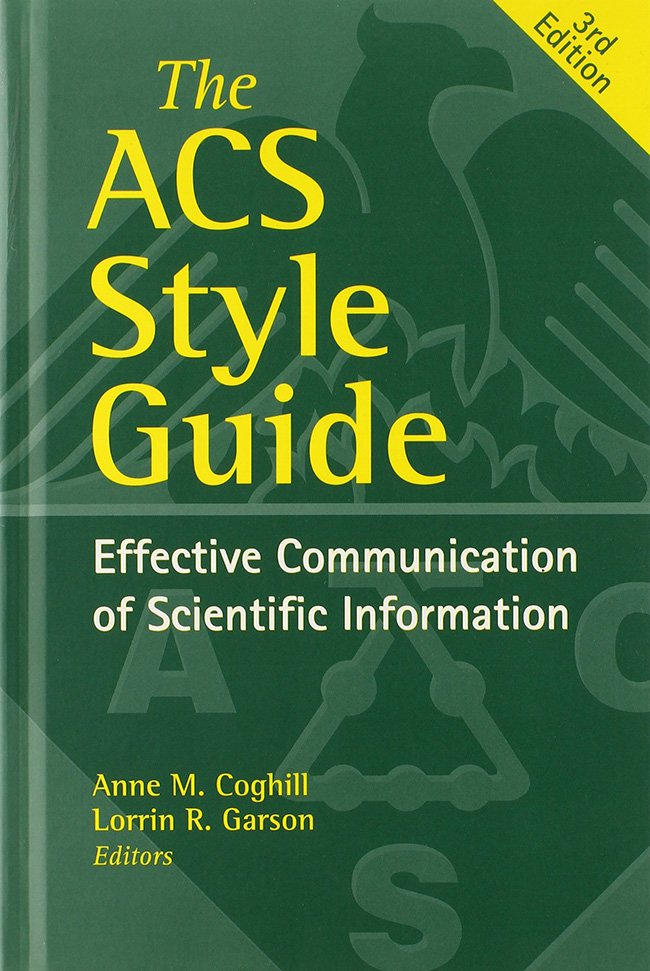
Navigating the intricate world of scientific citations can feel like deciphering an ancient scroll, especially when it comes to the American Chemical Society (ACS) style. Whether you're a budding chemist, a seasoned researcher, or a student wrestling with a lab report, getting ACS citations just right is non-negotiable. It’s about more than academic nitpicking; it's about acknowledging intellectual property, maintaining scientific integrity, and ensuring your work stands on solid, verifiable ground. That’s precisely why understanding the Top ACS Citation Generators Compared isn't just helpful – it's essential for anyone publishing or studying in the chemical sciences.
Forget wrestling with style manuals for hours. Today’s sophisticated citation generators are designed to take the guesswork and drudgery out of the process, freeing you to focus on your groundbreaking research. But with several options on the market, how do you choose the best one? This guide will cut through the noise, comparing the leading tools and equipping you with the knowledge to pick the perfect partner for your academic journey.
At a Glance: Key Takeaways for ACS Citation Generators
- Precision is paramount: Always verify generated citations against the official ACS style guide, as even AI tools can make mistakes.
- AI is a game-changer: Tools like Koke AI leverage artificial intelligence to automate data extraction and enhance accuracy.
- User experience matters: Prioritize generators with intuitive interfaces that make citation creation quick and painless.
- Versatility is a plus: If you work across disciplines, look for tools that support multiple citation styles (e.g., MLA, APA, Chicago).
- Beyond the basics: Some generators offer advanced features like integration with reference managers or export options.
- The future is smart: Expect AI to further revolutionize citation management with real-time error detection and personalized suggestions.
The Unspoken Language of Science: Why ACS Citations Matter
Imagine reading a complex research paper only to find you can’t trace the original data or methodologies. Frustrating, right? That’s where citation styles like ACS come in. The American Chemical Society style is the gold standard for formatting scientific papers, journals, and reports within chemistry, medical manuscripts, and related scientific fields. It's a comprehensive set of guidelines that dictate everything from how you cite a journal article to the way you reference a patent.
Mastering this style isn't merely about following rules; it's about contributing to a robust scientific dialogue. Proper ACS citations ensure that:
- Academic Integrity is upheld, giving credit where credit is due and preventing unintentional plagiarism. Understanding academic integrity is critical in all scientific endeavors.
- Reproducibility of experiments and findings is possible, as readers can easily locate and review your sources.
- Clarity and Consistency reign, making your work easier to read and understand for your peers worldwide.
Historically, this meant meticulous manual entry, cross-referencing every detail with the official ACS Style Guide. But thankfully, we’ve entered an era where technology steps in to streamline this often-tedious process.
What Exactly Is an ACS Citation Generator?
Think of an ACS citation generator as your personal, incredibly diligent research assistant. It's an online tool designed to automatically create citations in the precise American Chemical Society (ACS) style. Instead of manually typing out author names, journal titles, volume numbers, and page ranges, you typically feed it a key identifier – maybe a URL for a website, an ISBN for a book, or an ISSN for a journal article. The generator then scours databases, locates the relevant details, and formats them correctly according to ACS rules.
It’s about making the process fast, accurate, and far less prone to human error. But like any powerful tool, knowing which one to wield makes all the difference.
A Deep Dive: Top ACS Citation Generators Compared
When it comes to selecting a digital assistant for your ACS citation needs, a few platforms consistently rise to the top. Each brings a slightly different flavor to the table, catering to various user preferences and project requirements. Let's compare them side-by-side.
1. Koke AI: The Intelligent Innovator
Koke AI is making waves by integrating artificial intelligence directly into the citation generation process. This isn't just about automating data entry; it's about smarter source recognition and error reduction.
Key Features:
- AI Citation Generation: Its core strength lies in leveraging AI to generate accurate, error-free citations. This means it's often better at interpreting nuanced source types and handling complex details like punctuation and capitalization automatically.
- Multi-Style Support: Beyond ACS, Koke AI supports a wide array of other styles, including MLA, APA, and Chicago. This makes it a versatile choice for students and researchers working across different disciplines or publishing in various journals.
- Intuitive Interface: Designed with user experience in mind, Koke AI aims for a clean and straightforward interface that minimizes the learning curve.
- Diverse Source Support: Whether you're citing books, journal articles, online content, or even less common sources, Koke AI strives to accommodate them.
Who It's Best For:
Researchers and students who prioritize cutting-edge accuracy, want minimal manual input, and appreciate the flexibility of multi-style support. If you often deal with complex sources or simply want to leverage the latest in AI-driven tools, Koke AI is a strong contender.
2. Citation Machine: The Popular & Reliable Workhorse
Citation Machine is arguably one of the most recognized names in the online citation world, particularly among students. It's built a reputation for being a dependable, straightforward tool for quickly generating citations across multiple styles, including ACS.
Key Features:
- Automated Citation Creation: Its primary function is to quickly create citations. You input the source type and details, and it formats them.
- Wide Style Support: Like Koke AI, Citation Machine covers major styles such as ACS, MLA, and APA, making it suitable for general academic use.
- Educational Resources: Beyond just generating citations, Citation Machine often provides helpful guides and resources on understanding citation patterns and avoiding plagiarism, which can be invaluable for students.
- Ease of Use: Its popularity stems partly from its accessibility and user-friendly design, making it a go-to for many navigating their first research papers.
Who It's Best For:
Students and academics looking for a highly popular, user-friendly, and reliable online tool for quick citation generation. If you're new to using generators or need a solid, all-around option with educational support, Citation Machine is a time-tested choice.
3. Grafiati: The Streamlined & Efficient Option
Grafiati stands out for its emphasis on simplicity and efficiency. It aims to provide a clean, uncluttered experience for users who want to generate accurate ACS citations without unnecessary frills.
Key Features:
- Streamlined Citation Creation: Grafiati prides itself on making the process as quick and painless as possible. Its interface is designed for speed.
- Accurate Formatting: Despite its simplicity, Grafiati is known for delivering properly formatted ACS citations for a variety of common sources like books, journals, articles, and websites.
- Clean, Simple Interface: For users who prefer minimalist design and straightforward functionality, Grafiati’s aesthetic is a major draw. It gets the job done without overwhelming you.
Who It's Best For:
Users who prioritize speed, a clean interface, and direct functionality. If you're comfortable with a tool that focuses solely on efficient citation generation without extensive additional features, Grafiati offers a refreshing, no-nonsense approach.
Beyond the Basics: Crucial Criteria for Choosing Your ACS Citation Generator
While comparing features is a good start, a truly reliable ACS citation generator needs to meet a higher bar. Your choice should align with the rigor demanded by scientific writing. When you’re evaluating these tools – or any ACS format generator tool – consider these critical factors:
1. Precision and ANSI Compliance: The Uncompromisable Standard
This is the non-negotiable cornerstone. The generator must strictly adhere to ACS formatting rules. This includes often-overlooked details like:
- Journal Title Abbreviations: ACS has specific abbreviations (e.g., J. Am. Chem. Soc. for Journal of the American Chemical Society).
- Author Name Formatting: Order of names, initials, and conjunctions.
- DOI (Digital Object Identifier) Inclusion: Proper placement and format.
- Punctuation and Capitalization: Every comma, period, and capital letter follows a rule.
Actionable Tip: Never blindly trust a generated citation. Always preview and verify it against a reputable source, such as the official ACS Style Guide or trusted examples. A tiny error can sometimes lead to big headaches.
2. Automation and AI Functionalities: Working Smarter, Not Harder
Modern tools, especially those like Koke AI, leverage artificial intelligence to go beyond simple template filling. This means:
- Smarter Data Extraction: AI can often parse information from raw text or PDFs more accurately, identifying reference details even if they’re not perfectly labeled.
- Reduced Manual Input: The less you have to type, the fewer chances for typos. AI helps by automatically identifying source types and populating fields.
- Contextual Understanding: Some AI may learn to handle nuances in source information, reducing common formatting errors related to punctuation or capitalization.
For researchers dealing with numerous sources, the time savings and enhanced accuracy from robust AI functionalities can be significant. It's a key factor contributing to scientific writing best practices in the digital age.
3. User Interface and Accessibility: Your Workflow, Simplified
A powerful tool is useless if it’s difficult to operate. Look for:
- Clean, User-Friendly Design: An interface that doesn't overwhelm you with options but guides you smoothly through the citation process.
- Straightforward Text Boxes: Clearly labeled fields for inputting information.
- One-Click Citation Creation: The ability to generate and copy a citation with minimal effort.
- Accessibility: Is it web-based? Does it work on different devices? Is it free or subscription-based, and does that fit your budget?
The easier a tool is to use, the more likely you are to actually use it consistently and correctly.
4. Multi-Format Support: Bridging Disciplinary Gaps
While your immediate need might be ACS, scientific research often crosses disciplinary boundaries. Consider a tool's versatility:
- APA, MLA, Chicago, etc.: Does it support other major citation styles?
- Interdisciplinary Work: If you collaborate on projects that require different citation formats, a versatile tool saves you from juggling multiple generators.
This feature offers considerable future-proofing and flexibility for your diverse academic and professional pursuits.
5. Additional Functionalities & Integration: Beyond Basic Generation
Some generators offer features that significantly enhance your workflow:
- Export Options: Can you export your generated citations directly to Microsoft Word, Google Docs, or a plain text file?
- Reference Manager Integration: Does it sync with popular reference managers like Zotero, Mendeley, or EndNote? This is a huge time-saver for large projects.
- Bibliography Management: Can you save multiple citations into a project-specific bibliography that you can access and edit later?
These integrations streamline the entire research and writing process, making your life much easier, especially when dealing with complex papers or theses.
Your Workflow: How to Use an ACS Citation Generator
Using an ACS citation generator is typically a straightforward process, designed to be intuitive even for beginners. While specifics might vary slightly between platforms, the general steps remain consistent. Let's walk through a common scenario:
- Identify Your Source Type: First, determine what you're citing. Is it a journal article, a book, a chapter in an edited volume, a website, a patent, or something else? Most generators start by asking you to select the source type.
- Input Key Identifiers: For most sources, you'll need to provide unique identifiers.
- Journal Articles: DOI (Digital Object Identifier), article title, or journal title.
- Books: ISBN (International Standard Book Number) or book title.
- Websites: The full URL.
- Other Sources: You might need to manually input author(s), title, publication date, publisher, etc.
- Search and Select: The generator will often search its internal databases or the web based on your input. From the results, select the correct reference.
- Verify and Adjust Details: This is the most critical step. Before generating, carefully review all the extracted details. Ensure author names are correct, publication dates match, journal titles are accurate, and all necessary fields are populated. Make any manual adjustments if needed. This step helps avoiding plagiarism by ensuring accurate attribution.
- Generate and Copy: With a click of a button, the tool will produce a perfectly formatted ACS citation. You can then copy it and paste it directly into your reference list or bibliography.
- Integrate and Manage: If the tool offers bibliography management, save your citation to your project. If it integrates with reference managers, export it there for long-term organization.
Remember the golden rule: always double-check the generated citation against the official ACS Style Guide. Even the best generators can sometimes misinterpret data or miss a minor formatting nuance, particularly with obscure or unusual source types.
The Road Ahead: AI and the Future of Citation Management
The landscape of academic tools is constantly evolving, and AI is at the forefront of this transformation for citation management. What we see today with tools like Koke AI is just the beginning. The future promises an even more intelligent and integrated experience, making research and writing workflows smoother than ever.
Here’s what to expect as AI continues to enhance citation accuracy and intelligence:
- Smarter Source Recognition: Imagine AI algorithms that can accurately extract citation data from virtually any document – PDFs, obscure websites, even handwritten notes – interpreting source types automatically with incredible precision. This will drastically reduce manual input and the potential for human error.
- Real-Time Error Detection and Plagiarism Prevention: Future tools may include built-in AI that not only flags inconsistencies between in-text references and your reference list but also offers proactive suggestions for improvement. This could extend to flagging potential self-plagiarism or advising on best practices for quoting and paraphrasing.
- Personalized Citation Suggestions: AI could analyze the content of your paper in real-time, understanding your arguments and methodology, to suggest relevant sources and citation patterns you might have missed. This moves beyond simple formatting to active research assistance.
- Seamless Integration with Research Platforms: Picture a world where your citation generator is an invisible, yet powerful, component of your entire writing environment. Seamless integration with tools like Google Docs, Microsoft Word, and various research databases will allow for real-time citation recommendations, automatic updates, and comprehensive reference management without ever leaving your document. This is already happening with the best research tools today.
- Ethical AI for Attribution: As AI becomes more sophisticated, there will be a growing emphasis on developing ethical AI systems that ensure fair and accurate attribution, especially when dealing with complex, multi-authored, or AI-generated content itself.
This evolution signifies a shift from mere automation to intelligent assistance, empowering researchers to spend less time on formatting and more time on discovery and analysis.
Common Questions and Pitfalls with ACS Citation Generators
Even with the best tools, questions and potential missteps can arise. Let's tackle some common ones to ensure you're using your generator effectively and responsibly.
Are ACS Citation Generators Always 100% Accurate?
No. While they significantly boost accuracy compared to manual entry, no generator is infallible. They rely on databases and algorithms that can sometimes contain errors, outdated information, or misinterpret complex source data. Always verify the output against the official ACS Style Guide. Treat the generator as a powerful first draft producer, not the final authority.
Can These Tools Prevent Plagiarism Entirely?
No. Citation generators assist with formatting your citations correctly, which is a crucial part of avoiding accidental plagiarism by giving proper credit. However, they do not check for content originality or ensure you've appropriately paraphrased or summarized sources in your writing. Plagiarism prevention ultimately rests on your shoulders, demanding careful research practices and ethical writing.
Are Free Citation Generators Good Enough for Professional Work?
Many free online citation generators are excellent for basic needs and student papers. They often cover the core functionalities well. However, for professional publications, dissertations, or projects with extensive and complex source types, you might find that paid or premium versions (or specialized reference managers with robust citation capabilities) offer greater accuracy, more comprehensive source support, and advanced features like deeper database integration, bibliography management, and error detection. It often comes down to the volume and complexity of your citation needs.
How Often is the ACS Style Updated, and Do Generators Keep Up?
The ACS Style Guide is updated periodically, though major overhauls are infrequent. These updates reflect changes in publication practices (e.g., how to cite preprints, data sets, or online-only resources) and new technologies. Reputable citation generators are usually diligent about updating their algorithms to reflect the latest ACS guidelines. However, if a new edition of the Style Guide has just been released, there might be a brief lag before all generators fully integrate the changes. Another reason why manual verification remains key!
What About Citing Unusual or Non-Standard Sources?
This is where generators can sometimes struggle. While they excel with common sources like journal articles and books, citing things like personal communications, conference presentations, specialized software, or specific types of patents might require manual input and careful cross-referencing with the ACS Style Guide. When in doubt, consult the official guide first for these unique cases.
Making Your Choice: A Path to Seamless ACS Citations
Selecting the best ACS citation generator isn't about finding a single "perfect" tool; it's about identifying the one that best fits your specific workflow, needs, and budget. Whether you prioritize the cutting-edge intelligence of Koke AI, the robust familiarity of Citation Machine, or the streamlined efficiency of Grafiati, each offers significant advantages over manual citation creation.
Here’s a final thought process to guide your decision:
- Assess Your Primary Needs: Are you a student with occasional lab reports, or a researcher with multiple papers in progress? Do you primarily cite journal articles, or a wide variety of sources?
- Test Drive: Most generators offer free trials or basic free versions. Take them for a spin. Input a few of your typical sources and evaluate the output and user experience.
- Consider AI Integration: If minimizing manual input and leveraging smart automation is important, prioritize tools with strong AI capabilities.
- Think Long-Term: If you anticipate extensive research or multidisciplinary work, look for multi-style support and integration with reference managers.
- Commit to Verification: No matter which tool you choose, always, always, always make verification against the official ACS Style Guide your final step. This habit safeguards your academic integrity and the credibility of your scientific work.
By thoughtfully comparing these top ACS citation generators and considering your individual requirements, you're not just picking a tool; you're investing in accuracy, efficiency, and peace of mind. Now, go forth and cite with confidence!